Русский

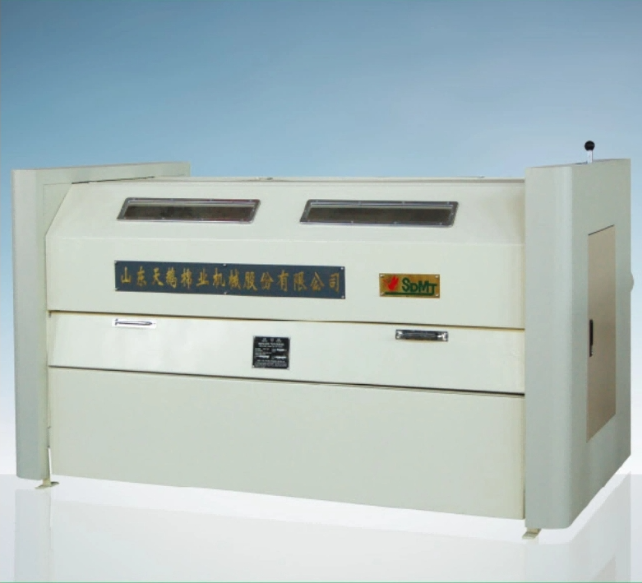
Industrial pneumatic lint separator
The equipment is made from high-quality specialized materials, has a well-thought-out, rational design, and ensures stable and long-term reliable operation.
The air-jet design does not require additional connection of power equipment, has virtually no wearing parts and rarely fails.
Easy parameter adjustment, convenient and quick assembly and installation on the production line.
Aesthetic, thoughtful design and gentle pneumatic cleaning completely eliminate damage to cotton fibers.
High efficiency in removing foreign impurities and short fibres significantly improves the commercial quality of the finished lint.
Product Description
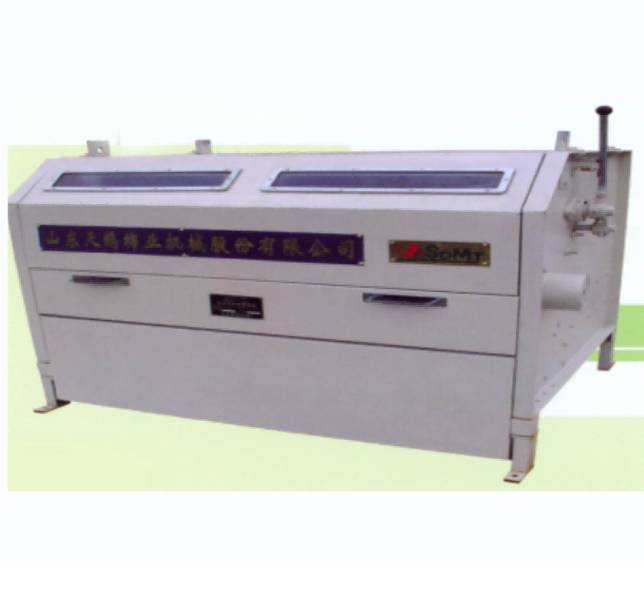
Main technical parameters
| Model | Raw material type | Productivity (kg/h) | Installed capacity (kW) | Dimensions L×W×H (mm) | Weight (kg) |
|---|---|---|---|---|---|
| MQPQ-3300 | Lint | 3300 | — | 3555×1282×1485 | 320 |
| MQPQ-3000 | Lint | 3000 | — | 3555×1282×1485 | 300 |
| MQPQ-2000 | Lint | 2000 | — | 2255×1282×1485 | 260 |
| MQPQ-1400 | Lint | 1800 | — | 1655×1282×1485 | 230 |
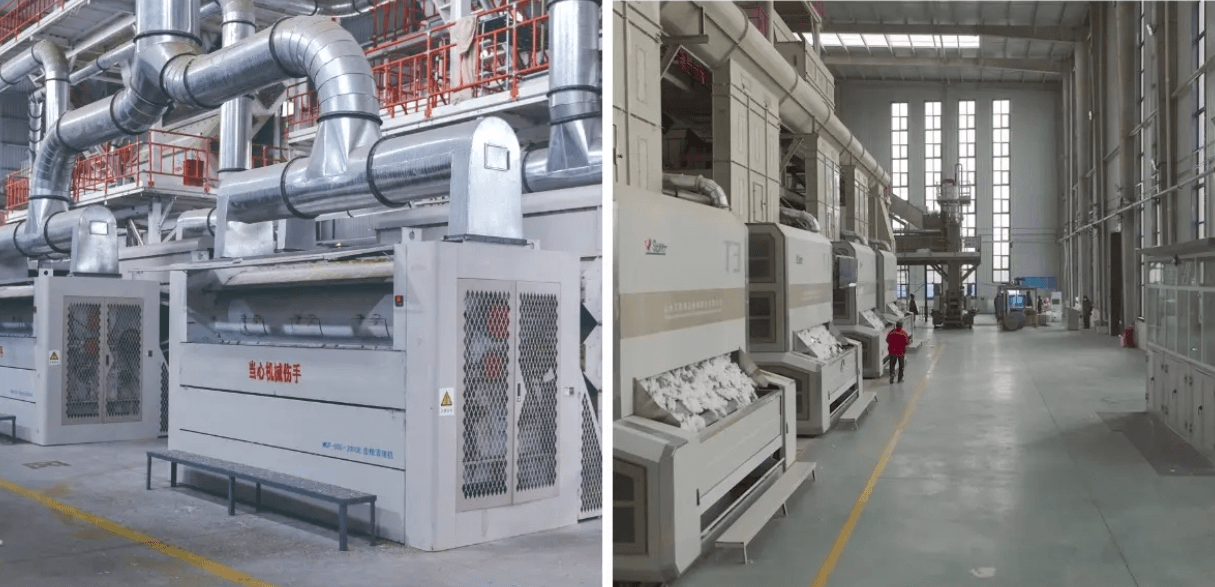
Packaging and delivery
An experienced, professional team of packers and loaders is on hand to ensure the safety and integrity of your equipment at all stages of transportation.
Each piece of equipment is securely fastened and reinforced within the container, preventing damage during sea transportation to the destination port.
All container loading, packing, and sealing processes are documented with photos and videos, ensuring fully transparent and controlled logistics.
Long-term partnerships with trusted international shipping companies ensure all key delivery stages are updated in real time.
Product quality control

-
Functional testingBefore shipment, all equipment operating functions are fully tested, and real-world operation simulation tests are carried out to confirm stability and performance.
-
Checking markings and documentationThe accuracy, completeness, and clarity of factory markings, data sheets, and operating manuals are checked for compliance with international standards.
-
Comprehensive safety testsIndustrial safety standards testing: mechanical, structural and operational safety of equipment.
-
Control of materials and componentsQuality control of source materials and all components using spectral, chemical and mechanical analysis methods for compliance with technical requirements.