Русский

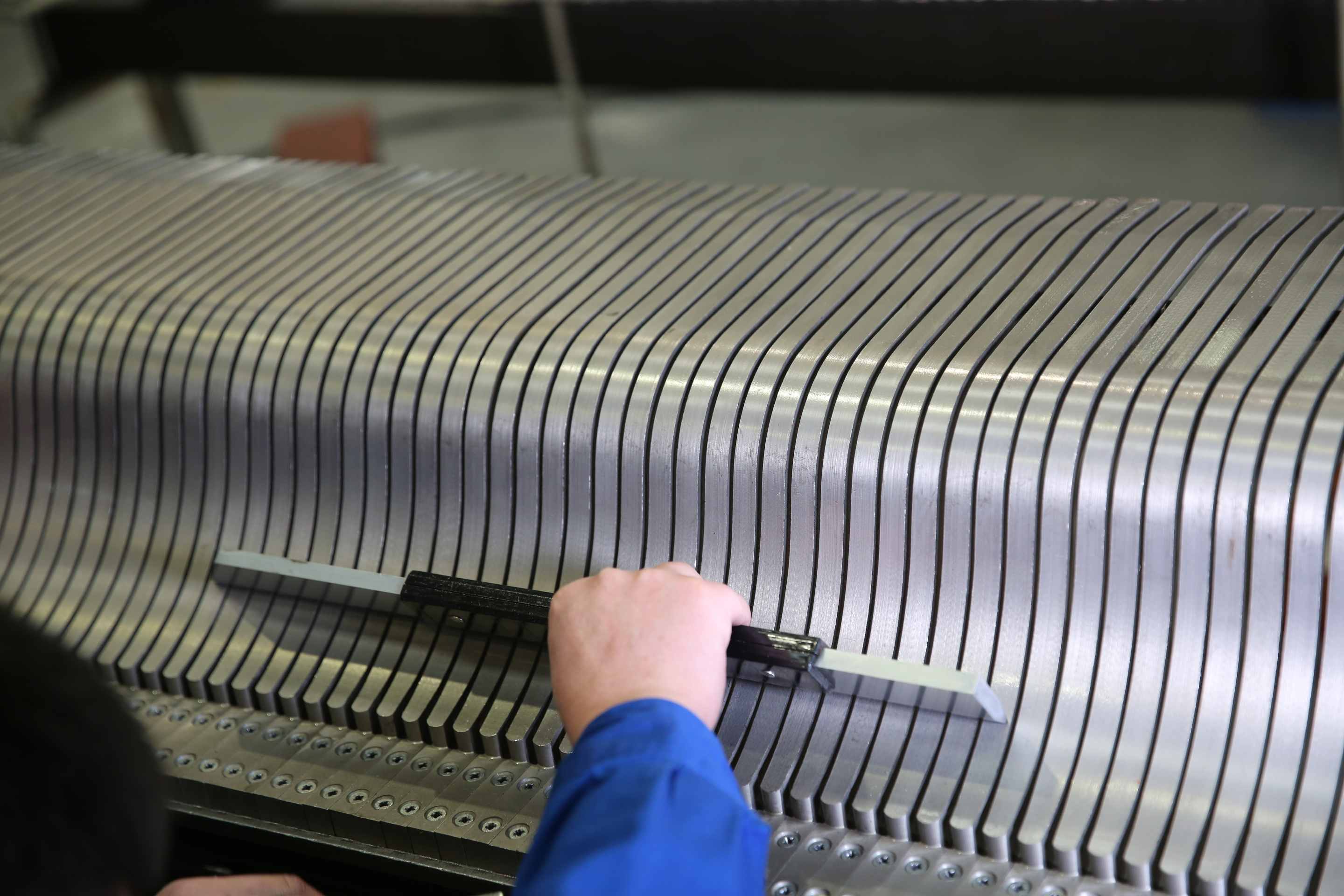
Ribbed cleaning elements in a cotton processing machine
Professional conveyor production, high precision, good uniformity, and a guaranteed uniform gap. Operating point linearity is 1.5 times higher than the national standard, reducing defects during cotton processing.
Professional chrome plating technology, hardening of the working surface, high surface hardness and long service life.
Original manufacturing, convenient installation on original equipment, less fiber lumps and high stability of processing quality.
Each ribbed plate is assembly tested and numbered before delivery, ensuring easy installation and convenient adjustment.
Product Introduction
Cotton gin ribs are a critical component used in cotton ginning machines. They are mounted on the machine's shafts to transmit power and ensure the cotton cleaning process. Typically, cotton gin ribs are made of high-strength alloy steel, which offers strength, durability, wear resistance, and high hardness.
Specifications
(1) Application: Spare parts for cotton ginning machines
(2) Material: alloy steel
(3) Country of origin: China
(4) Surface hardness: 55 HRCPackaging and delivery
(1) The transportation method is flexible and can be changed according to customer's needs.
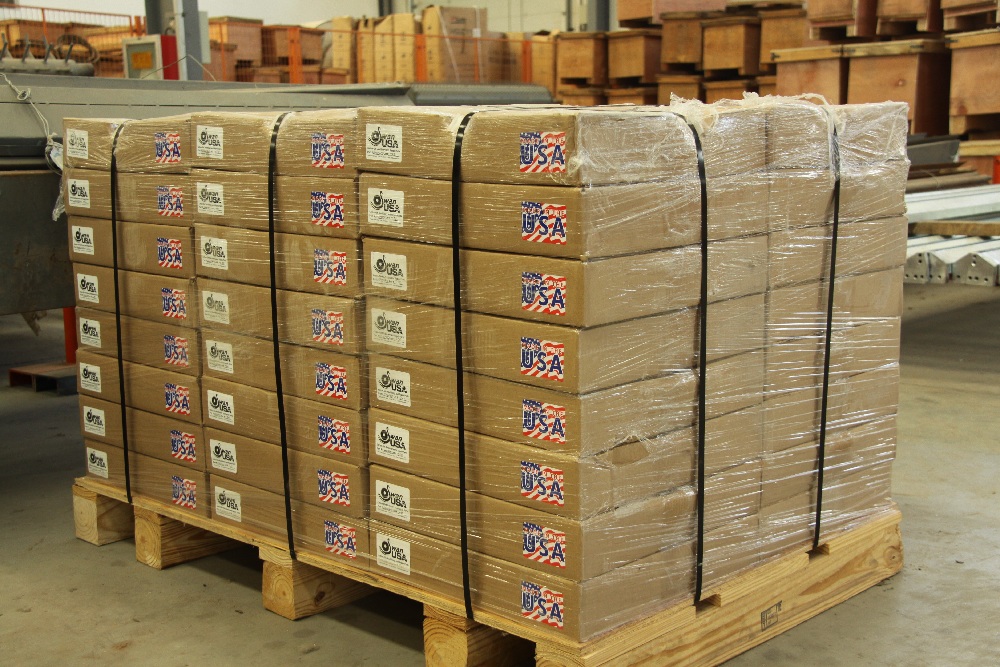
(2) The packaging material is strong and reliable, suitable for long-distance international transportation.
(3) Customer-oriented approach - packaging can be customized.
Product Inspection
Every product leaving the factory undergoes rigorous and comprehensive testing, which includes the following steps:
(1) Visual inspection: Check whether the appearance meets the requirements, including color, shape, size, surface quality, etc. The inspection is carried out visually or using auxiliary instruments (e.g. microscopes, measuring instruments).
(2) Functional testing: The proper functioning of the product is verified by starting it up, performing functional tests, or using specialized test equipment to confirm its characteristics and performance.
(3) Safety testing: assesses the product's compliance with applicable safety standards and regulatory requirements. This includes electrical, mechanical, and chemical safety testing.
(4) Packaging control: the integrity of the packaging, the legibility of the markings and the compliance of packaging materials with the requirements are checked. This guarantees the safety of the product during transportation and storage, as well as the possibility of its correct identification.