Русский

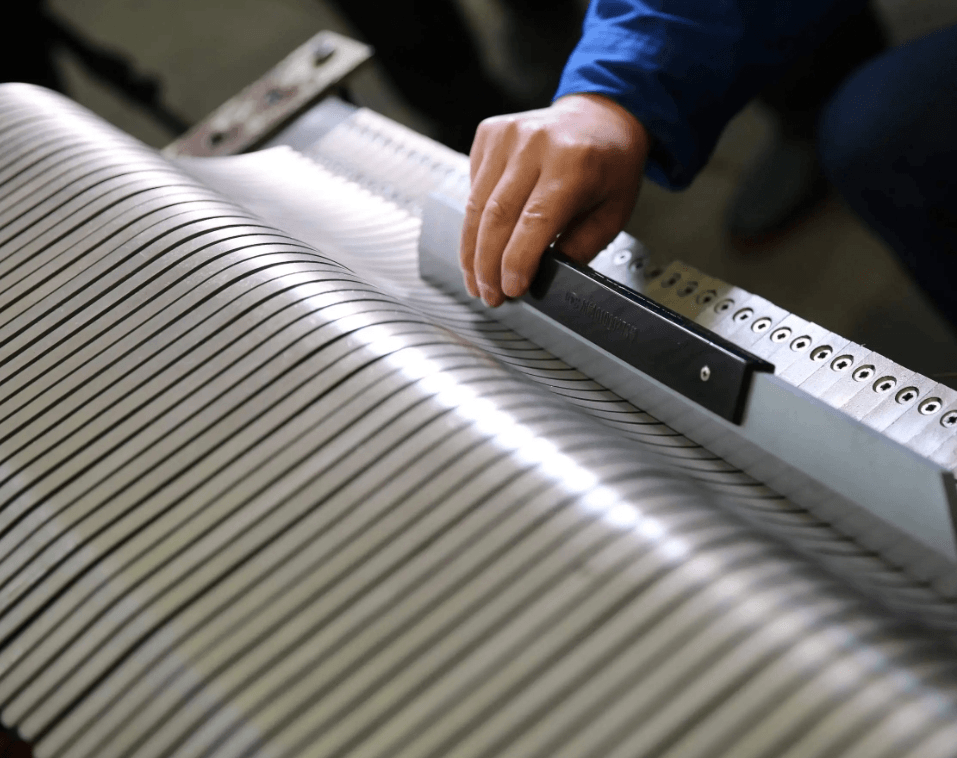
Ribs for a raw cotton cleaning machine
Product benefits
High precision and uniformityProfessional conveyor production ensures high precision and excellent uniformity, guaranteeing consistent gaps. The operating point has a linearity 1.5 times higher than the state standard, significantly reducing defects in raw cotton processing.
High strength and durability: The use of professional chrome plating and hardening technology of the working point ensures high surface hardness and long service life, increases the wear resistance of the product under intensive use.
Ease of assembly and high quality of processing: Original production ensures ease of assembly with basic equipment, helps reduce the number of nep-knots and guarantees high quality processing of raw cotton.
Easy to install and adjust: Each saw set is assembled, tested and numbered before shipment, which ensures easy installation on equipment and convenient subsequent adjustment.
Product details
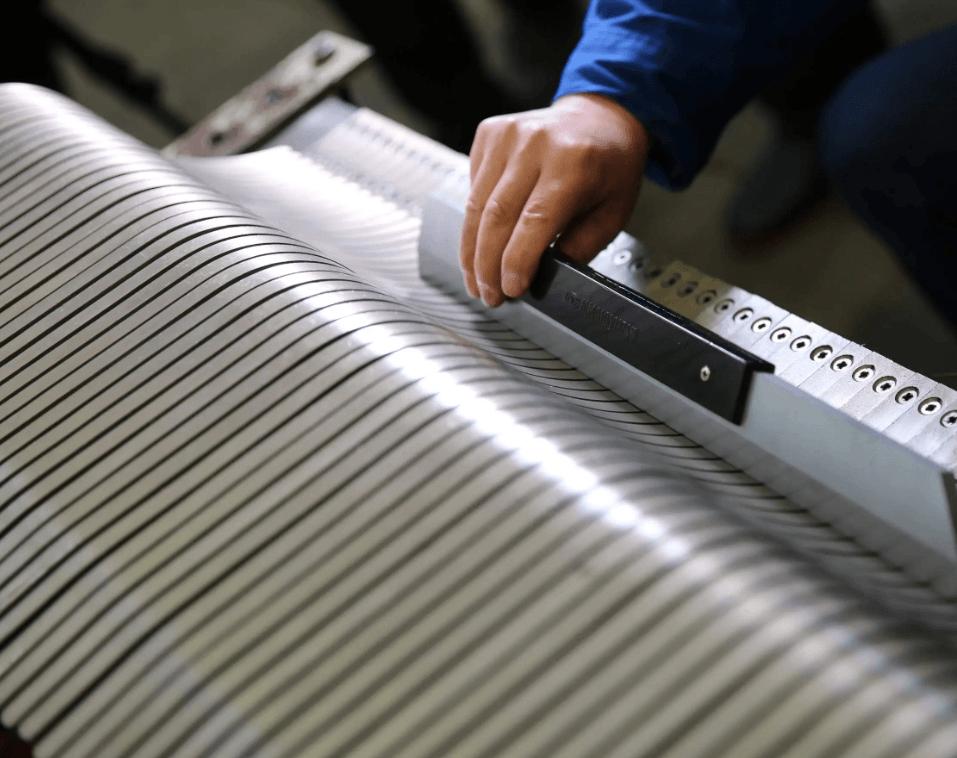
1. Product Description
2. Technical specifications
ApplicationSpare parts for fiber separation machines (gins)
Material: Alloy steel
Country of origin: China
Surface hardness: 55 HRC
3. Packaging and delivery
The transportation method is flexible and can be changed; different transportation modes can be adopted according to customer's needs.
The packaging materials are strong and durable, making them suitable for long-distance international transport.
Customer-focused, customizable packaging to meet individual customer requirements.
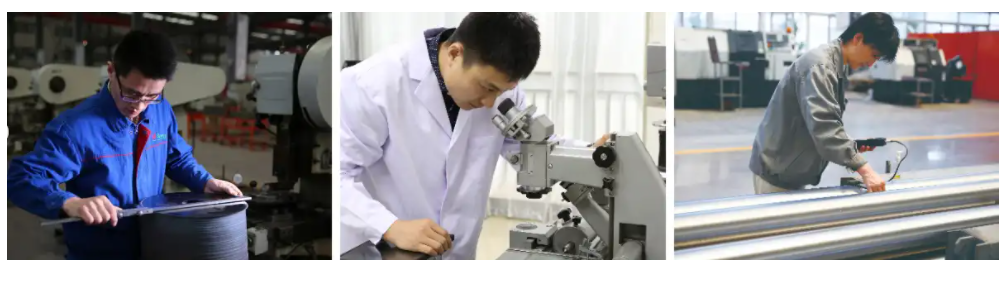
4. Quality control
External inspection: Checking whether the product's appearance meets the requirements, including color, shape, size, surface cleanliness, etc. This can be done by visual inspection or by using auxiliary instruments (e.g. microscopes, measuring instruments).
Functional testing: Verifying the correct operation of a product's functions. This can be accomplished by operating the product, conducting functional tests, or using specialized test equipment to verify the product's performance and functionality.
Safety tests: Verifying that a product complies with relevant safety standards and regulatory requirements. This may include electrical, mechanical, and chemical safety testing, among other things.
Checking the packaging: Checking the integrity of the product packaging, the clarity of the markings, and the compliance of the packaging materials. This ensures that the product will not be damaged during transportation and storage and can be correctly identified.