Русский

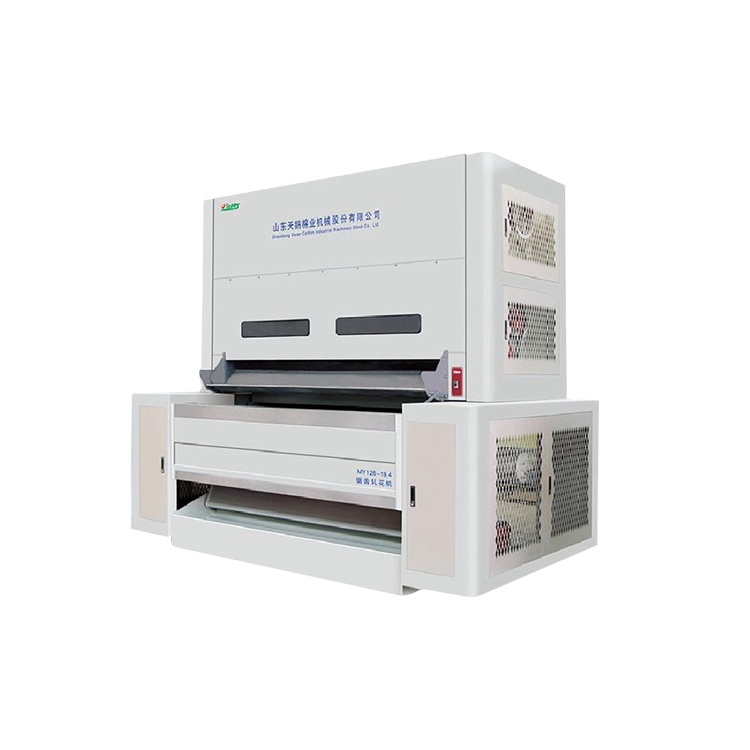
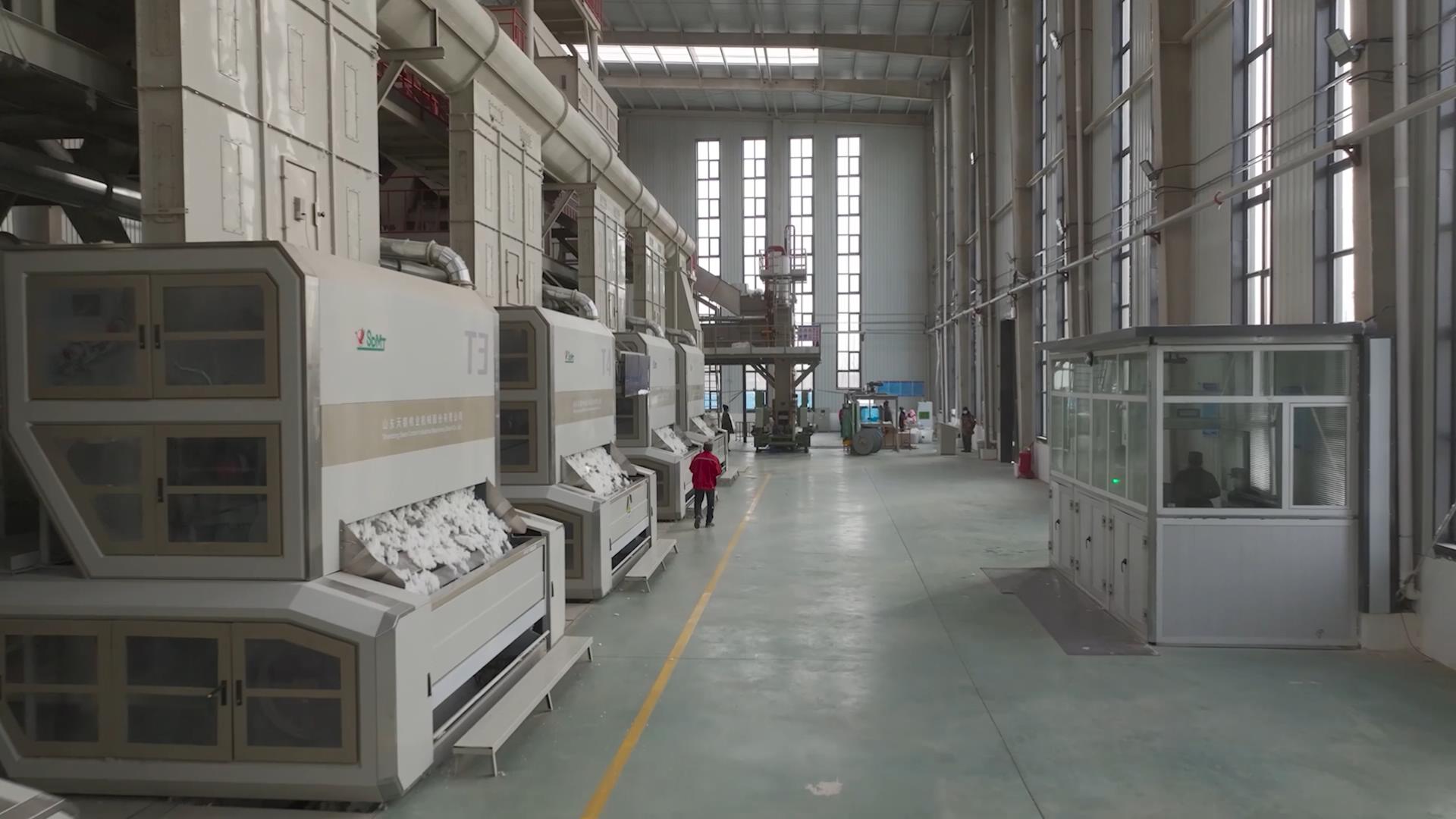
Cotton gin
The machine is designed for processing seed cotton and is suitable for manual and machine collection.
A special pre-cleaning system ensures natural separation and sifting of cotton.
Minimal mechanical damage preserves the fiber structure and the integrity of the seeds after ginning.
The enlarged working chamber and large distance between the saws ensure optimal bale density, natural fibre separation and preservation of fibre length and appearance.
The special design of the working chamber makes it easy to open/close and allows you to adjust the degree of removal of waste particles.
The application of hydromechanical principles improves the cleaning efficiency and quality of cotton linters.
The machine adapts to the type of cotton and is easy to adjust and set up operating parameters.
Product description
The MY126-19.5 cotton gin is designed to separate cotton fiber from seeds and clean the seed material. The equipment is equipped with high-quality imported components, and its design and technical solutions meet advanced international standards.
After processing, raw cotton has high fiber quality, low impurity content, excellent structure and high market competitiveness, which can significantly improve the cost efficiency for users.
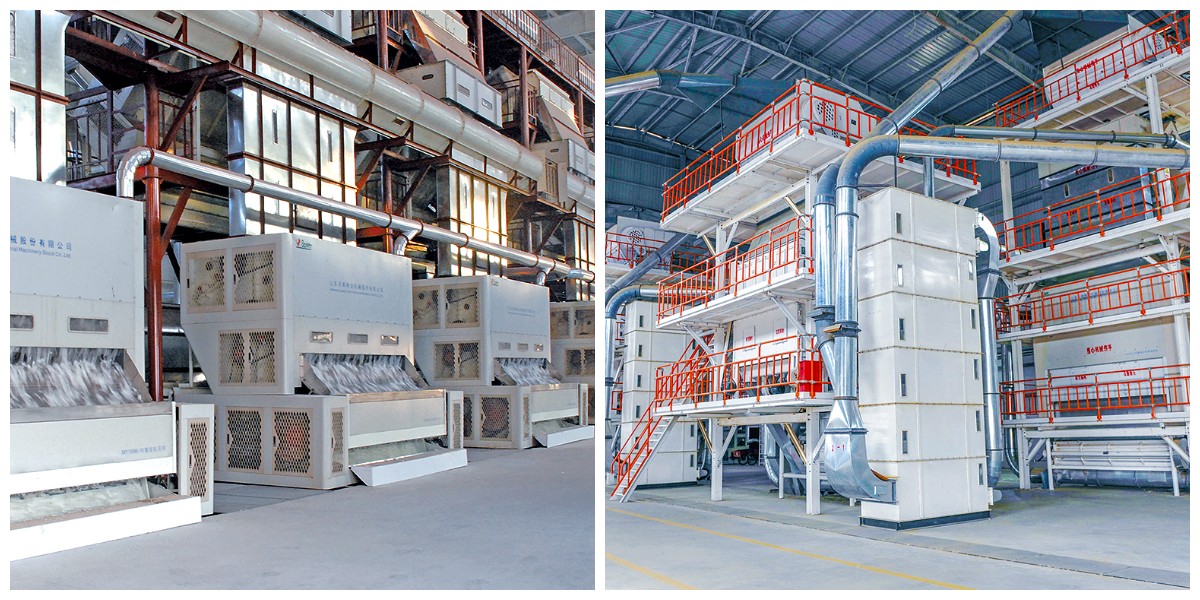
Specifications
Parameter
Meaning
Model |
MY126-19.5 |
Productivity (kg/h) |
800–1300 |
Installed capacity (kW) |
51.62 |
Lint quality |
Meets or exceeds national standard |
Noise level |
90 dB(A) |
Number of saws |
126 |
Saw diameter (mm) |
Φ320 |
Step between saws (mm) |
19.4 |
Brush cylinder diameter (mm) |
Φ380 |
Dimensions (W×D×H, mm) |
3232×3670×3654 |
Machine weight (kg) |
5200 |
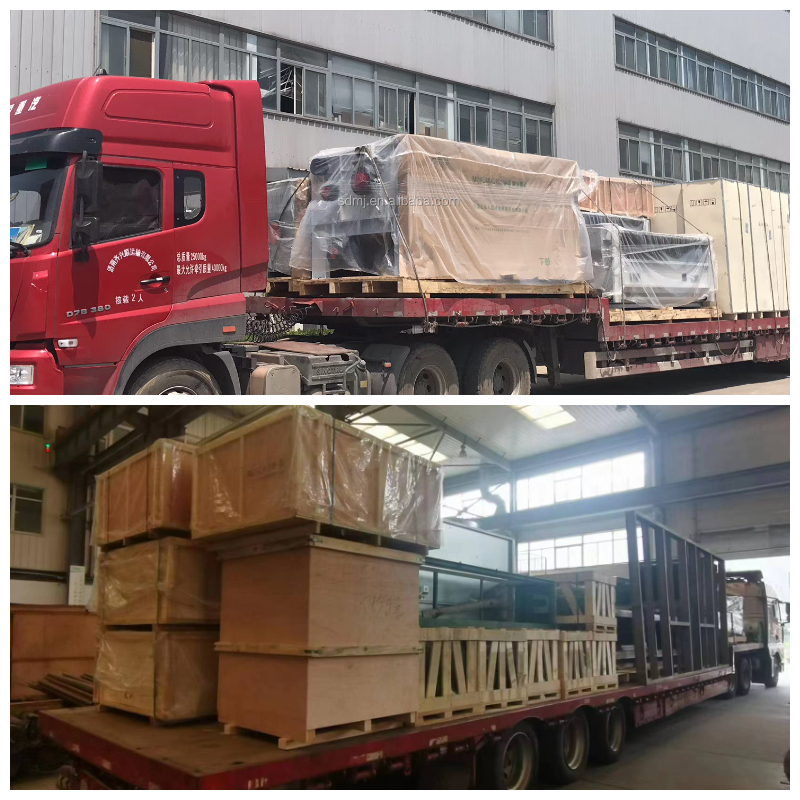
Packaging and delivery
Individual packaging schemes are available for buyers.
Each vehicle is securely fastened and reinforced inside the container for safe delivery to the destination port.
The entire container loading and sealing process is captured on photo or video, making transportation transparent and controllable.
The company partners with trusted transport operators, ensuring prompt updates on key delivery stages.
Product quality control
Before shipping, each machine undergoes rigorous testing, including:
Visual inspection – checking color, shape, size and surface condition.
Functional testing – testing of performance, reliability and productivity.
Safety check - compliance with electrical, mechanical and environmental standards.
Packaging inspection – assessment of packaging integrity, label legibility and compliance with transportation standards.
This approach ensures that the equipment arrives in perfect condition and is ready for use immediately after installation.