Русский

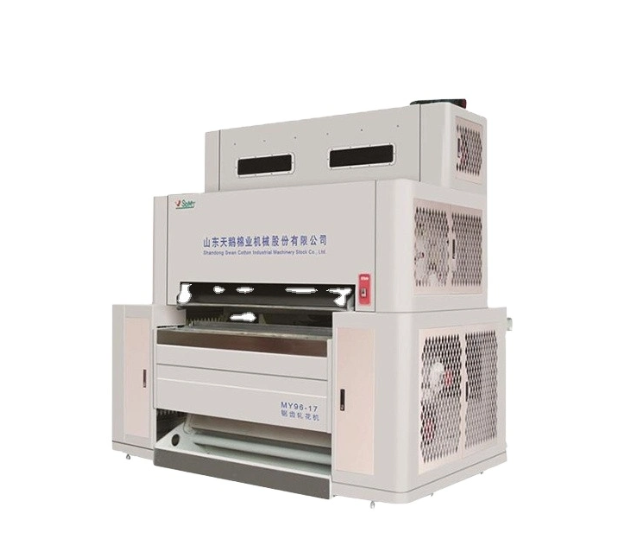
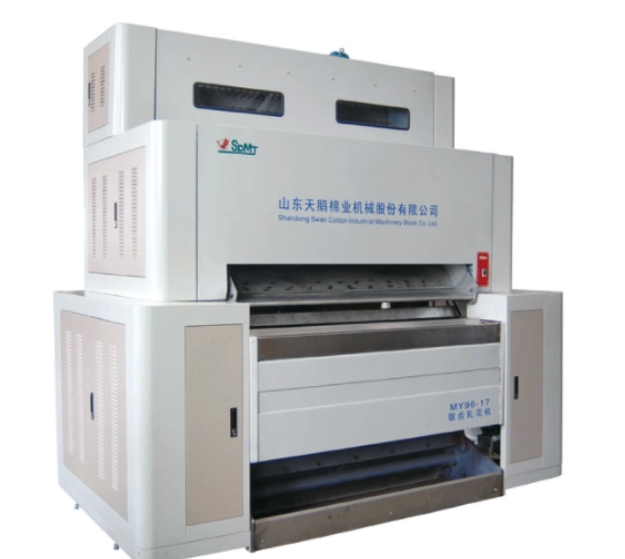
Cotton gin MY96-17
Product benefits
High cleaning efficiency: The mechanical cleaning system with non-coaxial design ensures oscillatory cleaning of seed cotton, cleaning efficiency of at least 50%, while the cotton fiber is not damaged, maintaining its quality.
Minimizing losses: The recovery roller effectively recovers missed cotton, significantly reducing raw material loss and increasing economic benefits.
Ease of operation: The thoughtful design makes the machine easy to adjust, operate and maintain, reducing personnel qualification requirements and maintenance costs.
Stable operation and high productivity: Productivity in the range of 600–1300 kg/h depending on the quality of seed cotton, stable operation in long modes, high reliability of the equipment.
Compliance with standards: The quality of the lint meets or exceeds the national standard for similar cotton, the noise level does not exceed 90 dB(A), safety meets mechanical and electrical safety requirements.
Flexible packaging and safe delivery: Support customized packaging according to customer requirements, securely fastened in the container, and monitor the entire loading and delivery process in real time.
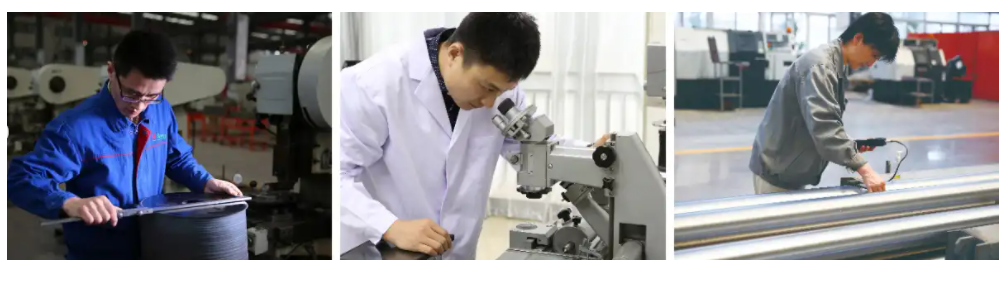
Strict Quality Check: Each piece of equipment undergoes multi-stage testing, including appearance inspection, functional testing, safety testing and packaging inspection, ensuring the quality of the product.
Product details
General description
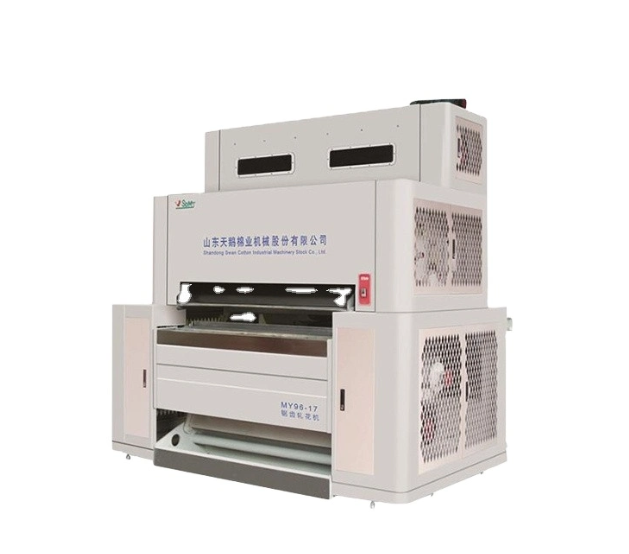
Mechanical cleaning system for cotton fiber
Specifications
|
Parameter
|
Unit
|
Meaning
|
|---|---|---|
|
Design Capacity
|
kg/h
|
600–1200
|
|
Installed capacity
|
kW
|
46.12
|
|
Lint quality
|
—
|
Meets or exceeds the national standard for similar cotton
|
|
Noise level
|
dB(A)
|
90
|
|
Number of saws
|
pcs.
|
96
|
|
Saw diameter
|
mm
|
Φ320
|
|
Distance between saws
|
mm
|
17
|
|
Brush cylinder diameter
|
mm
|
Φ380
|
|
Overall dimensions (W×D×H)
|
mm
|
2385×2850×2750
|
|
Machine weight
|
kg
|
4200
|
Packaging and delivery
We support individual packaging methods according to customer requirements, adapted to the specifics of transportation and storage.
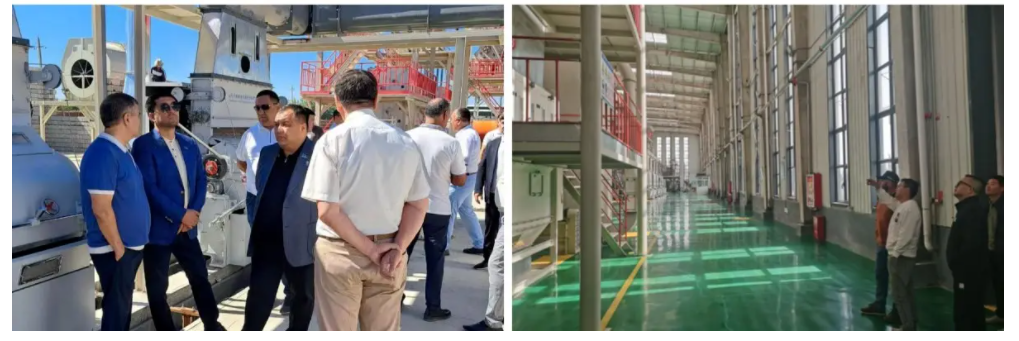
Each machine is securely fastened in a container, ensuring the safety of the equipment during transportation to the destination port.
The entire process of loading and sealing the container is recorded by photo or video, providing the customer with complete information about preparations for delivery.
We partner with trusted shipping companies, providing real-time delivery status updates so customers can monitor the location of their equipment throughout all stages of transportation.
Product Inspection
Appearance check: Compliance with requirements for color, shape, size and surface quality, absence of scratches, coating defects and other visual deficiencies.
Functional testing: A complete check of the operation of all systems and mechanisms (cleaning system, recovery shaft, drive, etc.), guaranteeing their serviceability and stable operation.
Safety testing: Checking compliance with mechanical and electrical safety standards, absence of hazardous areas, reliability of protective elements.
Packaging and labeling control: Checking the integrity of the packaging, the clarity and accuracy of the labels, compliance with transportation and storage requirements, and the availability of all necessary documents.