Русский

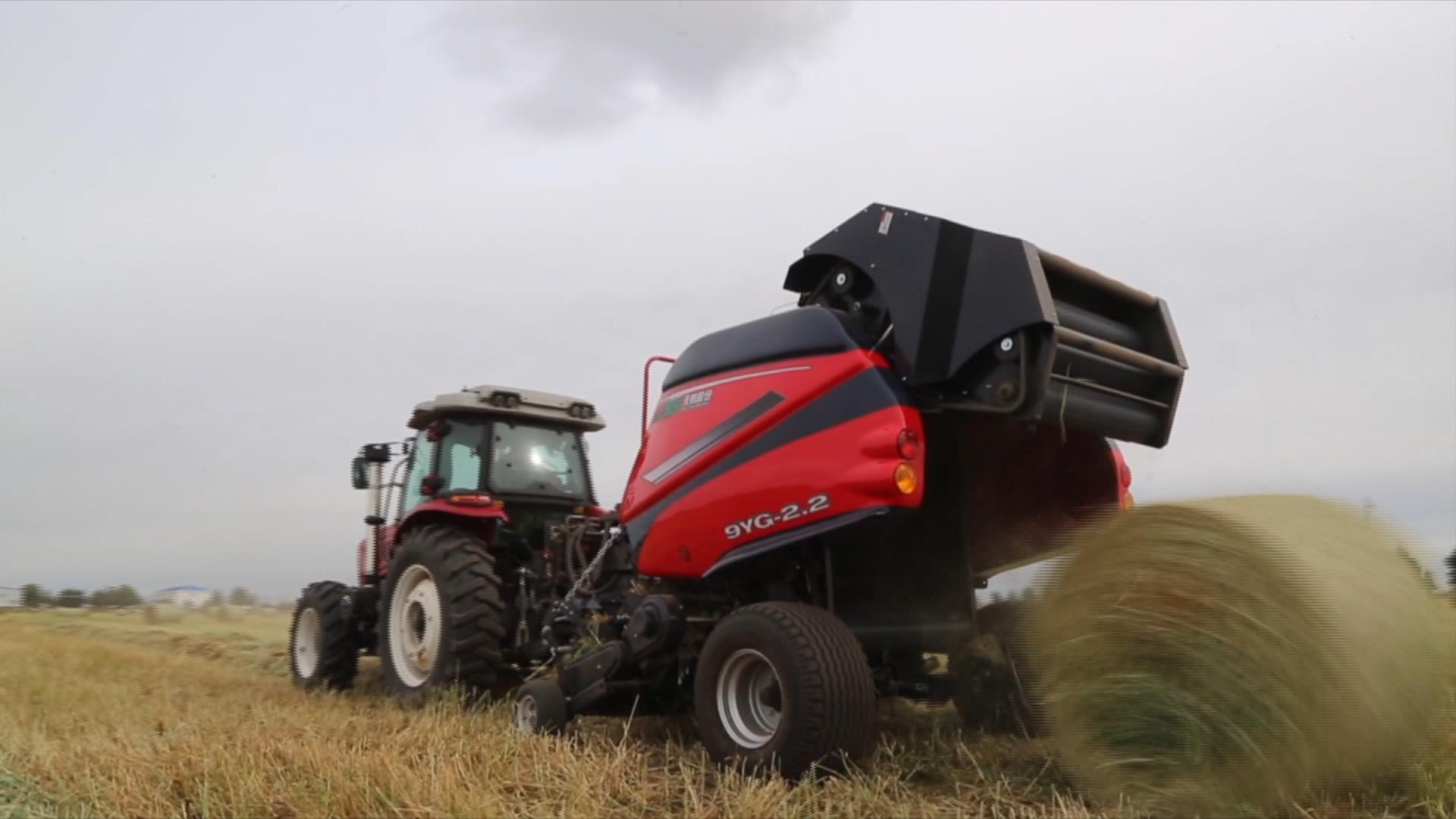
Compact round baler
High efficiency - dual force-fed grass roller increases the volume of material fed and improves collection efficiency.
Anti-clogging - if a blockage occurs, the grass can be controlled via the remote control to open the lower chamber and clear the blockage.
Double strapping – both rope and mesh strapping are possible; bale density is adjusted from the control panel.
High adaptability - the pick-up imitation wheel has been improved and now precisely follows the pick-up wheel, which provides better maneuverability on various types of terrain.
Low maintenance costs - from production and assembly to leaving the factory, the product is manufactured on a conveyor line with strict control of each technological stage.
A round baler is a piece of agricultural equipment designed to press crops (such as grass, hay, etc.) into round bales. It typically consists of a rotating bale chamber and a feeding system that collects and compacts the crop mass into round bales. The resulting bales are distinguished by their high density: the outer layer is dense, the inner layer is looser; The outer shell has heat-insulating and moisture-proof properties, and the inner layer has good breathability, which ensures easy storage.

Specifications
Installed power |
kW |
≥80 |
Construction |
— |
Spring teeth |
Dimensions (L×W×H) |
mm |
4200×2960×2400 |
Weight |
kg |
4200 |
PTO rotation speed |
rpm |
540–1000 |
Pickup width |
mm |
2200 |
Baling chamber diameter |
mm |
1200 |
Baling chamber length |
mm |
1400 |
Number of rows of spring teeth |
— |
5 |
Spring tooth pitch |
mm |
70 |
Number of knives |
pcs. |
12 |
Theoretical cutting length |
mm |
65 |
Working speed |
km/h |
A-i |
Bale weight |
kg |
Straw ≥350 |
Product quality control
Shandong Swan Cotton Industrial Machinery Stock Co., Ltd. conducts strict comprehensive inspection of each unit before shipment, including the following steps:
(1) External inspection: checking whether the product’s appearance meets the requirements for color, shape, size, surface quality, etc. Inspection can be carried out visually or using auxiliary instruments (e.g. microscopes, measuring instruments).
(2) Functional testing: checking that all functions of the product are working correctly by starting it up, conducting functional tests, or using specialized equipment to confirm performance and operability.
(3) Packaging inspection: checking the integrity of the packaging, the clarity of the markings, and the compliance of the packaging materials with established requirements. This ensures the safety of the product during transportation and storage, as well as its correct identification.
(4) Checking labels and instructions: ensure that the accuracy, clarity and completeness of the labelling and operating instructions comply with current regulations and standards.
Packaging and delivery
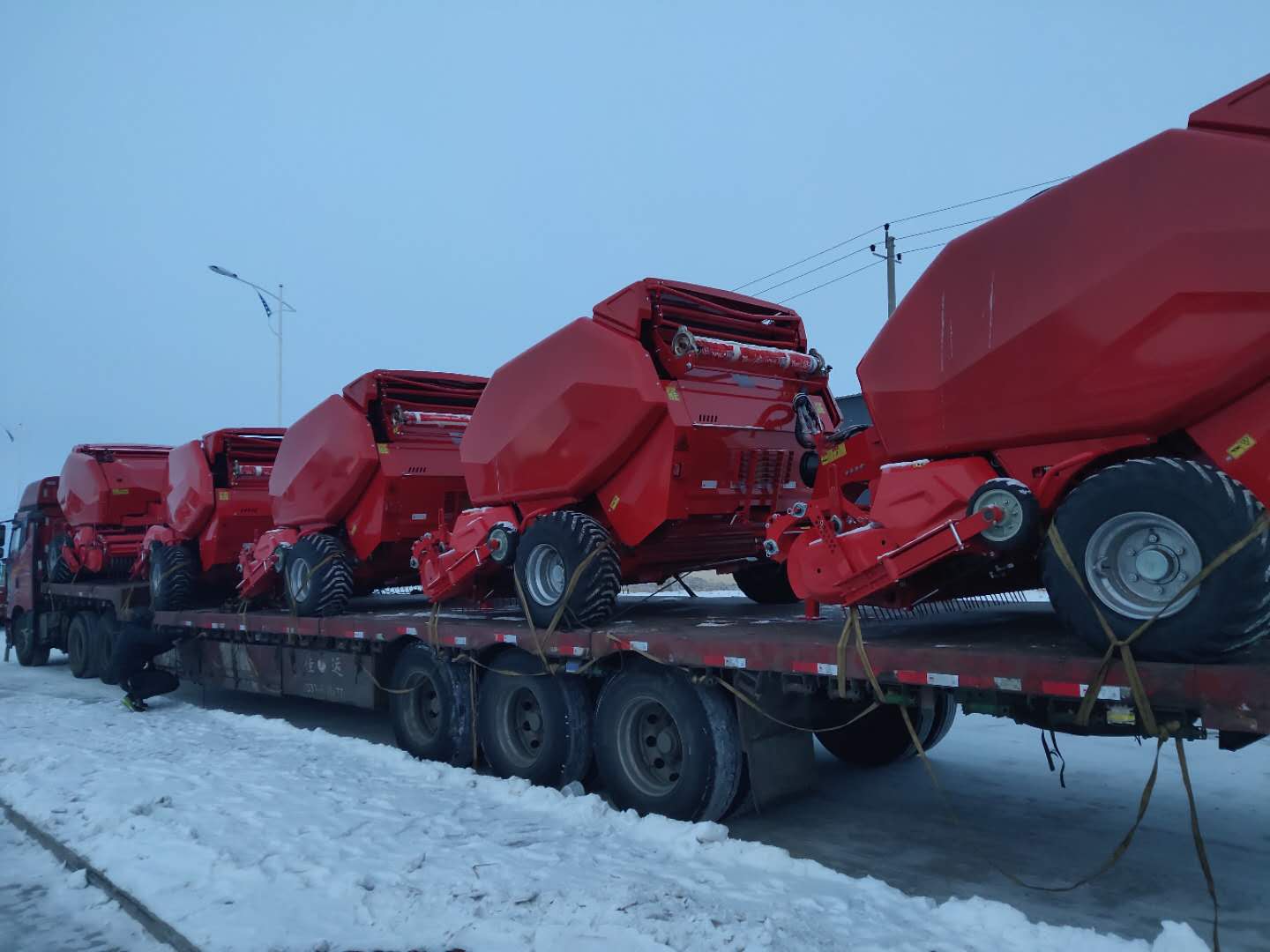
(1) Each machine is securely fixed and reinforced inside the container to ensure safe delivery to the destination port.
(2) The entire process of loading and sealing the container is recorded by photo and video recording, which makes the entire process transparent and controllable.
(3) The company cooperates with reliable shipping companies, key stages of delivery are updated in real time.