Русский

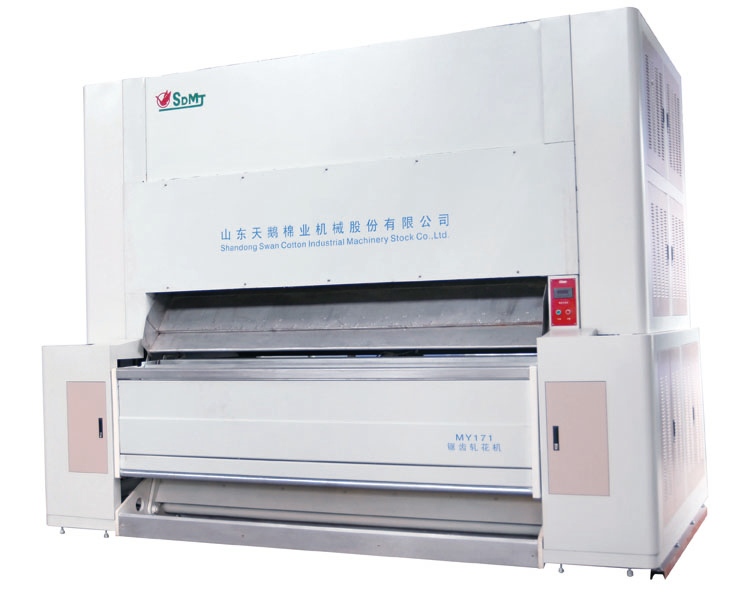
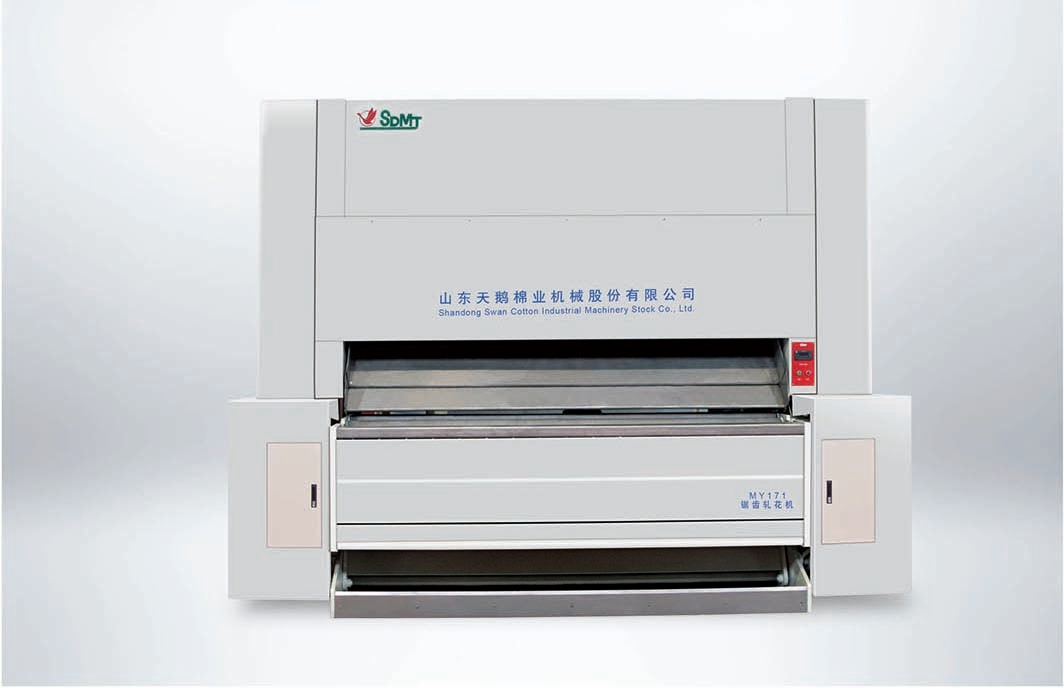
Saw gin
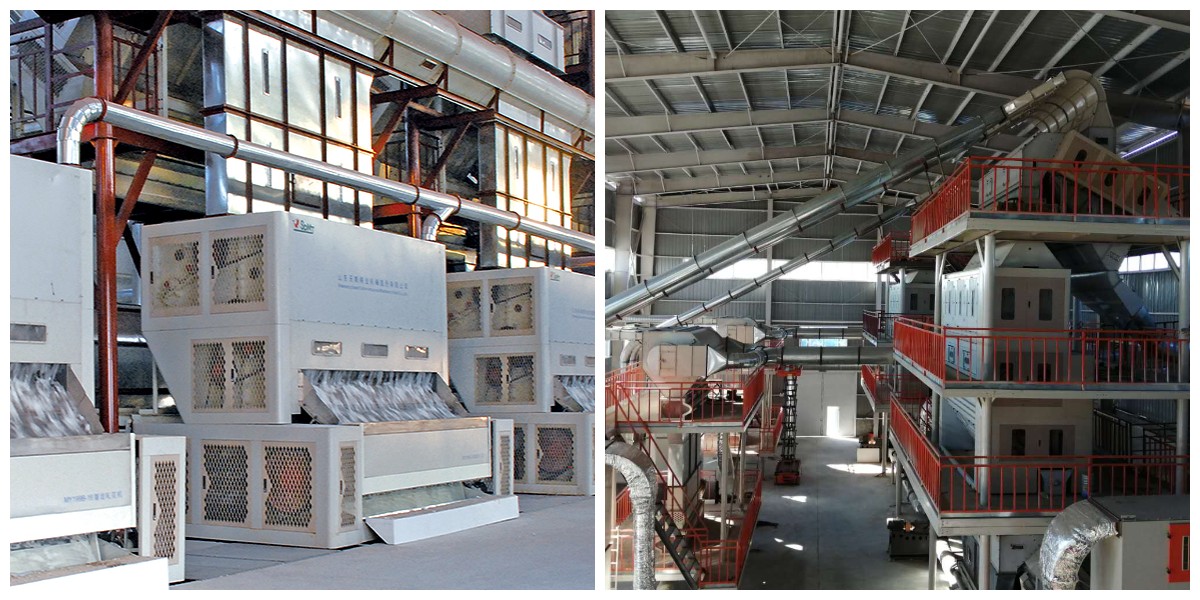
Designed for large cotton gins, suitable for machine and hand picked cotton.
Feed structure with extraction and removal of foreign impurities.
Large working box and saw blade for high productivity when processing machine cotton.
Imported saw blades (USA) – high performance, long service life, high-quality cleaning.
Reinforced key parts and high machine rigidity for intensive work.
Intelligent control with safety >98%.
Scientific and rational design, convenient maintenance, use of modern technologies and materials.
? Saw Gin for Cotton MY171-17
Product Introduction
Saw cotton gin model MY171-17 is designed for effective separation of cotton fiber from seeds, as well as for their additional cleaning. The equipment is equipped with high-quality imported components, and its design concept is developed in accordance with advanced international standards. The lint obtained as a result of processing is characterized by high quality, a minimum level of impurities and the correct shape, which ensures its high competitiveness in the market and allows our customers to achieve higher economic returns.
⚙️ Technical Specifications
Parameter |
Model |
Model |
MY171-17 |
Designed output |
1400-2300 kg/h |
Equipped power |
87.85 kW |
Lint ginning quality |
Meets or exceeds the national standard for ginned cotton |
Noise level |
90 dB |
Number of saw blades (Pieces of saws) |
171 pcs. |
Diameter of saw blades |
406 mm |
Saw spacing |
17 mm |
Diameter of brush cylinder |
380 mm |
Overall dimensions (W*D*H) |
3400 * 4330 * 3320 mm |
Machine weight |
8000 kg |
? Packaging and Delivery
Individual (customized) packaging method for customers is possible.
(1) Each machine is securely fixed and reinforced in the container to ensure safe delivery to the destination port.
(2) The entire process of product loading and container sealing is recorded by photo or video, making the entire process visible and controllable.
(3). Cooperation with a reliable shipping company, key time points (stages) are updated in real time.
? Product Inspection
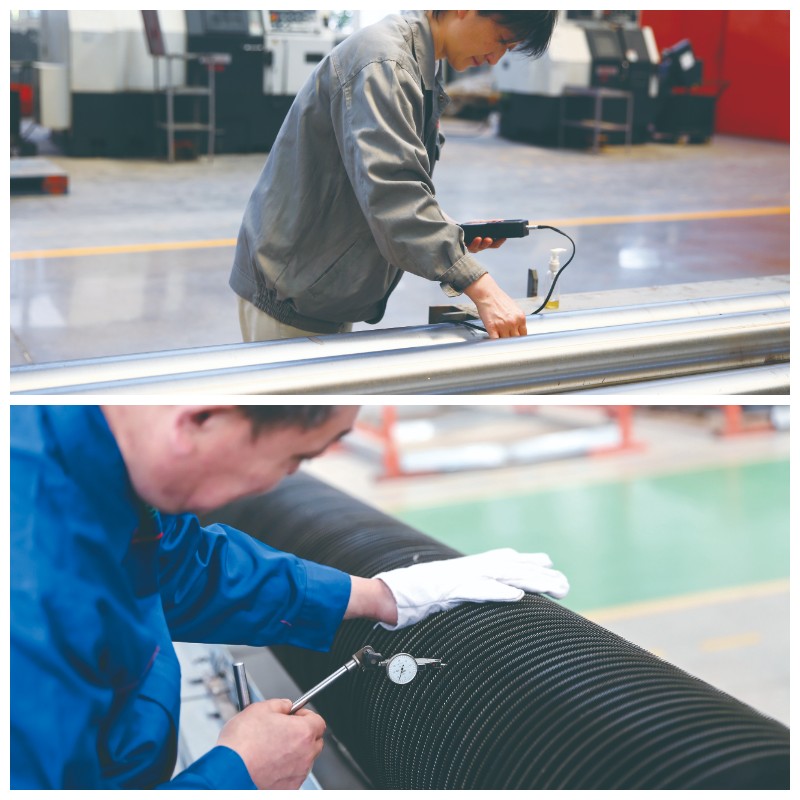
(1). Label and instruction manual inspection:
Verification of the accuracy, clarity, completeness of product labelling and operating instructions, as well as their compliance with applicable regulations and standards.
(2). Appearance inspection:
Checking whether the product's appearance meets requirements, including color, shape, size, surface cleanliness, etc.
(3). Safety testing:
Verification of product compliance with relevant safety standards and regulatory requirements.
(4). Packaging inspection:
Checking the integrity of the product packaging, the clarity of the markings, and the compliance of the packaging materials. This ensures that the product will not be damaged during transportation and storage and that it can be properly identified.