Русский


Cotton gin ribs
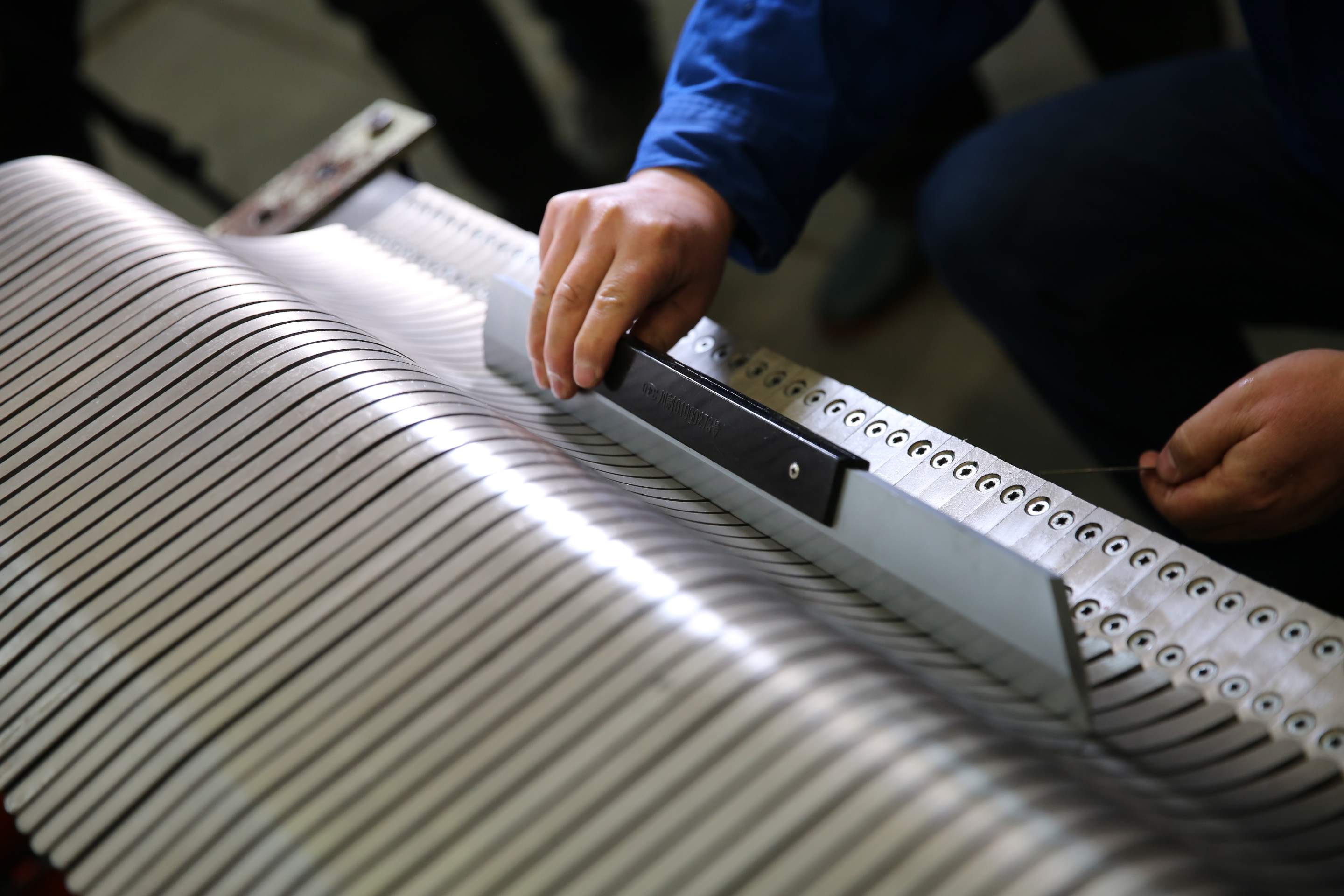
Production on a professional assembly line ensures high precision, excellent uniformity, and a consistent gap. The straightness of the working edge exceeds the national standard by 1.5 times, reducing the incidence of defects in the purified cotton.
We use professional chromium plating technology and hardening of working areas, ensuring high surface hardness and a long service life.
Manufactured according to original drawings, they are easily installed on original equipment, ensure minimal knot formation (neps) and high processing quality.
Before shipping, each comb undergoes assembly tests and is marked with an individual number, which simplifies installation and adjustment.
Cotton gin fins are the most important component used in cotton gin machines. They are installed on the rollers of the machine, transmit torque and ensure an efficient process of separating fiber from seeds. Typically, combs are made of high-strength alloy steel and have characteristics such as strength, durability, wear resistance and high mechanical strength.

2. Specifications
(1) Purpose: spare parts for cotton gin
(2) Material: Alloy steel
(3) Country of origin: China
(4) Surface hardness: 55 HRC
3. Packaging and delivery
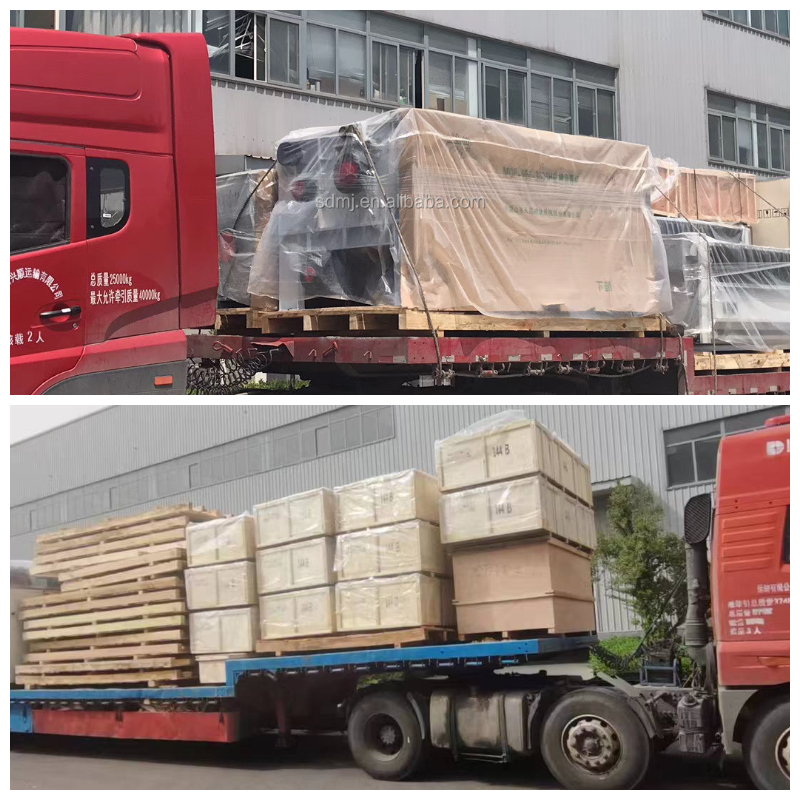
(1) The transportation method is flexible and can be changed according to customer requirements; Various types of transport are possible.
(2) The packaging materials are strong and reliable, suitable for long-distance international sea and land transportation.
(3) The packaging is customer-oriented and can be customized.
4. Acceptance of products
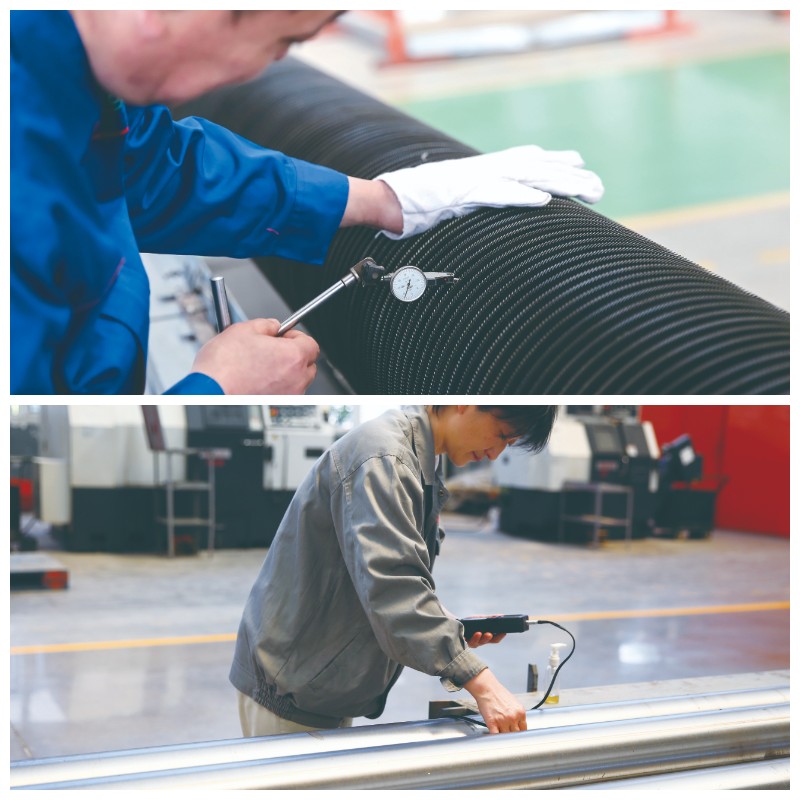
Each product undergoes rigorous, comprehensive testing at the factory. Key quality control stages include:
(1) External inspection: the product's appearance is checked to ensure that it meets the requirements for color, shape, size, surface quality, etc. The inspection can be carried out visually or using auxiliary instruments (e.g. microscopes, measuring instruments).
(2) Functional testing: Verifying the correct operation of the product. This is accomplished by operating the product, conducting functional tests, or using specialized test equipment to confirm its performance characteristics and functionality.
(3) Safety testing: The product's compliance with applicable safety standards and regulatory requirements is assessed. This testing may include electrical, mechanical, and chemical safety tests.
(4) Packaging inspection: The integrity of the packaging, the clarity of the markings, and the compliance of the packaging materials with established requirements are checked. This ensures that the product will not be damaged during transportation and storage and will be correctly identified.