Русский

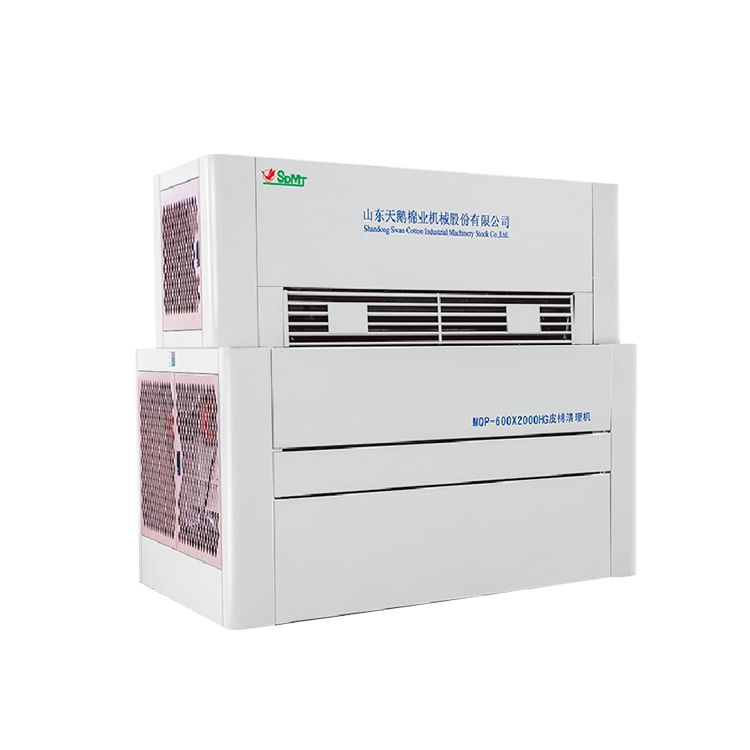

Saw blade lint remover
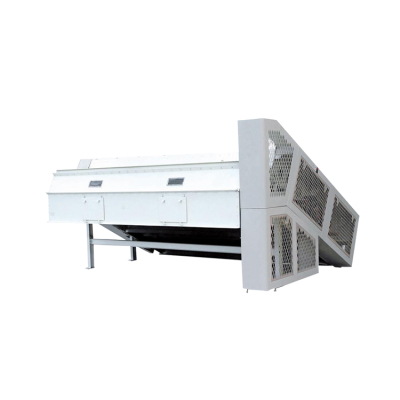
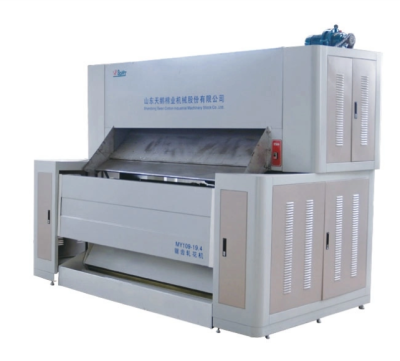
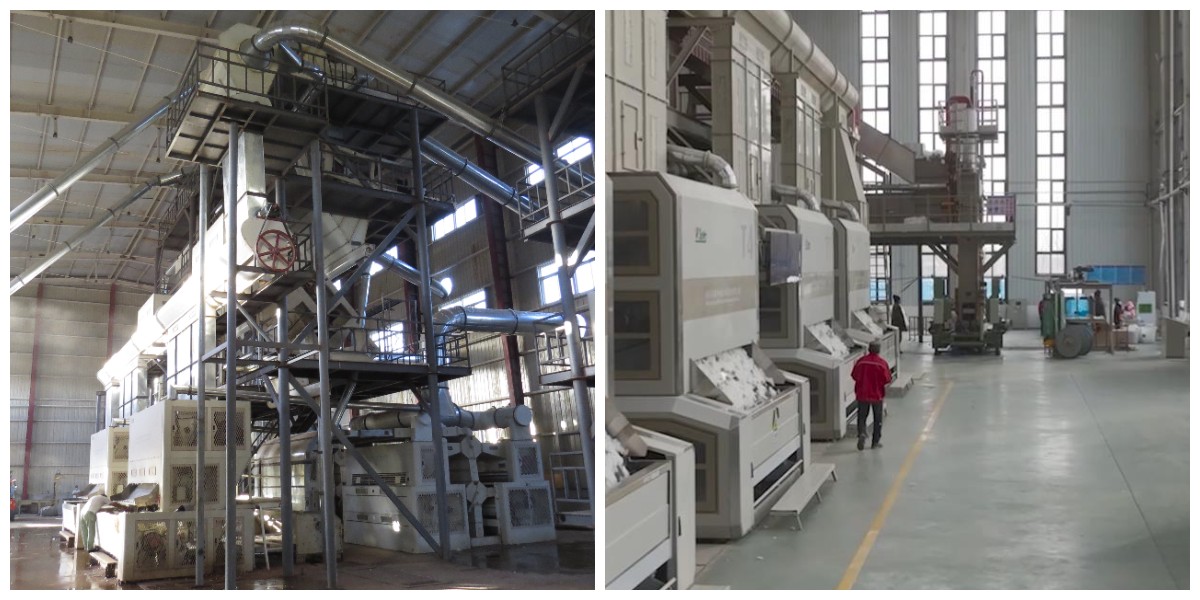
The machine is made of special materials, has a rational design and stable, reliable operation.
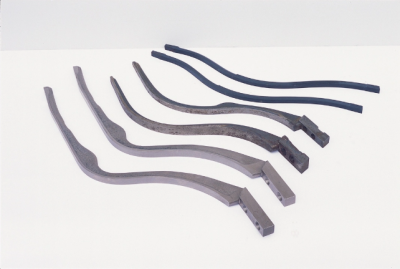
The Teeth bar is made of a special material with a unique tooth shape that ensures a long service life, effective cleaning and minimal damage to the fiber.
The impurity discharge knife has a special design that ensures maximum removal of foreign matter with minimal fiber loss.
Improved pressing, take-off and feeding design reduces fiber damage and equipment failure rates.
The new structure of the feed roller and fixed feed point ensures stable carding and prevents the emission of “white cotton”.
Rational distribution of the discharge knife zones improves cleaning and lint quality.
⚙️ Saw Fiber Cleaner (Lint)
1. Introduction to the Product
Saw-type fiber cleaners (lint cleaners) are commonly used to improve the overall quality of cleaned fiber by removing foreign impurities and unwanted short fibers after ginning (separation from the seed). Swan's fiber cleaners offer consistent performance, high product quality, and significantly improve fiber (lint) quality.
2. Main Technical Parameters
Model |
Prick roller diameter (mm) |
Designed output (kg/h) |
Equipped power (kW) |
Overall dimensions (mm) |
Weight (kg) |
MQP-400x2000H |
400 |
1000-1800 |
19 |
2800*1325*two thousand two hundred eighty-five |
3400 |
MQP-400x2500H |
400 |
1300 - 2100 |
22.5 |
3300 * 1325 * 2295 |
4500 |
MQP-400x3400H |
400 |
2400 - 3600 |
37.5 |
4300*one thousand five hundred ten*two thousand two hundred ninety-five |
7000 |
MQP-600x2000H |
600 |
1200 - 2000 |
22.5 |
2800*1600*2615 |
4100 |
MQP-600x3000H |
600 |
2400 - 3600 |
27.5 |
3750*one thousand six hundred sixty*two thousand six hundred fifteen |
6600 |
Note: The above performance is calculated for standard grade raw cotton with moisture content in the range of 6.5%-8.5%.
3. Packaging and Delivery
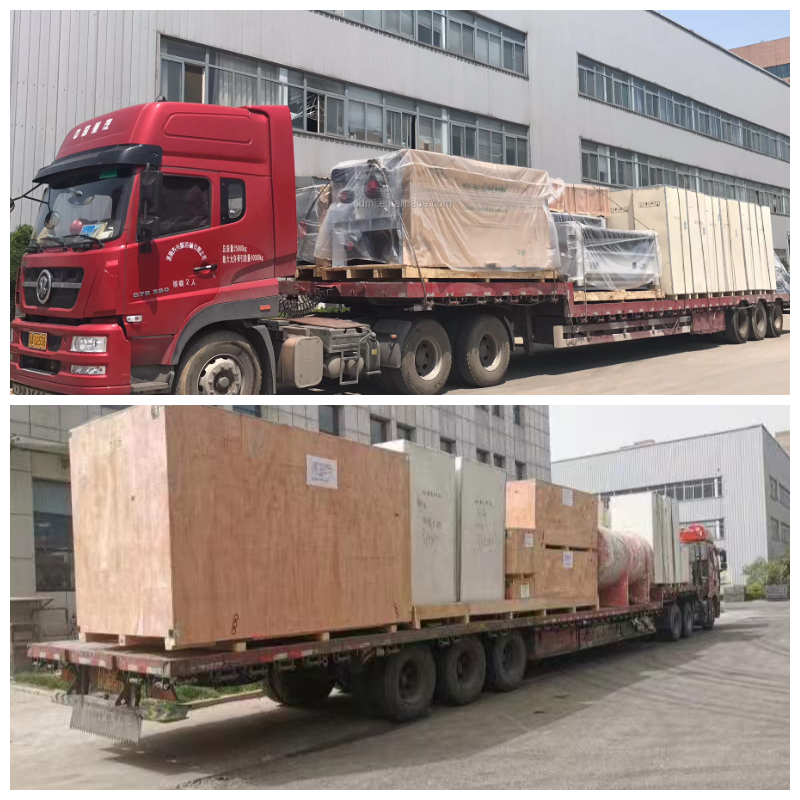
(1).We have experienced packing and loading team, which can ensure the safety and integrity of the goods during packing and transportation.
(2) Each machine is securely fixed and reinforced in the container to ensure safe delivery to the destination port.
(3) The entire process of product loading and container sealing is recorded by photo or video, making the entire process visible and controllable.
(4). Cooperation with a reliable shipping company, key time points (stages) are updated in real time.
4. Product Inspection
(1). Functional Testing:
Verifying the correct operation of a product's functions. This can be accomplished by operating the product for functional testing or using specialized test equipment to verify the product's performance and functionality.
(2). Label and instruction manual inspection:
Verification of the accuracy, clarity, completeness of product labelling and operating instructions, as well as their compliance with applicable regulations and standards.
(3). Safety testing:
Verifying product compliance with relevant safety standards and regulatory requirements. This may include testing for electrical safety, mechanical safety, chemical safety, and more.
(4). Material and component testing:
Verification of the compliance of materials and components used in a product with requirements. This can be accomplished through chemical analysis, spectral analysis, tensile testing, and other methods.