Русский

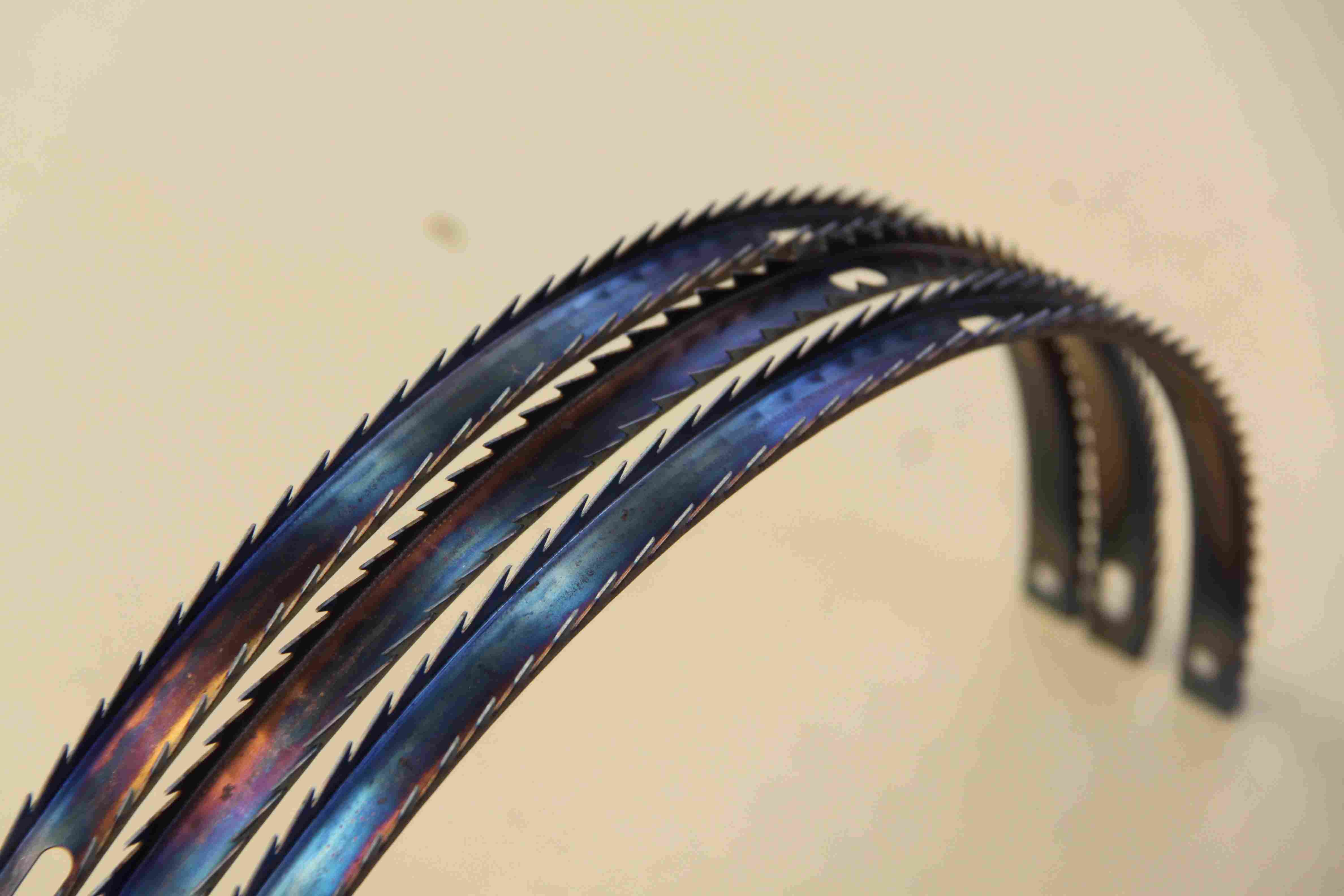
A U-shaped curved spiked rod
Made of high quality special steel to ensure long service life.
The teeth are hardened and ground and have high wear resistance and excellent resistance to deformation.
Manufactured on a professional assembly line, the precise shape ensures a tight fit between the saw blade and the round roller.
Adopts advanced international laser processing technology, ensuring high precision and no deviation.
Saw segments (channel saws) are mainly used in the carding process of cotton processing equipment. They are usually made of metal material, have a U-shaped cross-section and are securely attached at both ends to the frame of the carding machine.
Channel saws play a key role in separating and aligning fiber bundles. During operation of the equipment, the channel saws on the card rollers come into contact with the fiber bundles and effectively separate them through the carding action, resulting in a smoother and more uniform fiber distribution. In addition, channel saws help remove impurities and residues from the fiber bundles, thereby improving the overall quality and appearance of the cotton.
Packaging and delivery
(1) The transportation method is flexible and can vary - different modes of transportation can be used depending on customer requirements.
(2) The packaging materials are strong and durable, suitable for international long-distance transportation.
(3) Customer-oriented - customization of packaging is possible.
3. Acceptance control of products
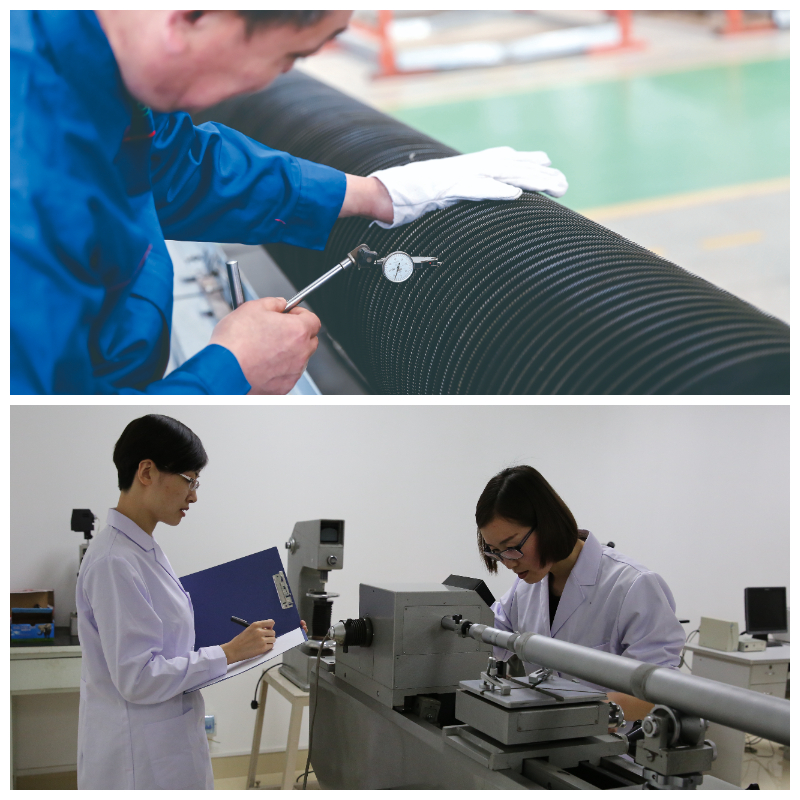
We conduct strict, comprehensive quality control of every product leaving our factory. Key inspections include:
(1) External inspection: the product's appearance is checked to ensure it meets the requirements, including color, shape, size, surface quality, etc. Inspection can be carried out visually or using auxiliary instruments (e.g. microscopes, measuring instruments).
(2) Functional testing: Verifies the correct operation of the product's functions. This can be accomplished by running the equipment, conducting functional tests, or using specialized test rigs to confirm performance characteristics and operability.
(3) Safety testing: The product's compliance with applicable safety standards and regulatory requirements is assessed. This may include electrical, mechanical, chemical, and other safety testing.
(4) Packaging inspection: This check verifies the integrity of the packaging, the clarity of the markings, and the compliance of the packaging materials with established requirements. This ensures that the product will not be damaged during transportation and storage and will be correctly identified.