Русский

anal saws
Applicablehigh quality special steel, providinglong service life.
The teeth passhardening and grinding, which provideshigh wear resistanceAndstrong resistance to deformation.
Manufactured byprofessional assembly linewith precise geometry, which guaranteestight fit of channel saws to the cylinder.
Usedmodern international laser processing, providinghigh accuracy and no deviations.
1. Introduction to the product
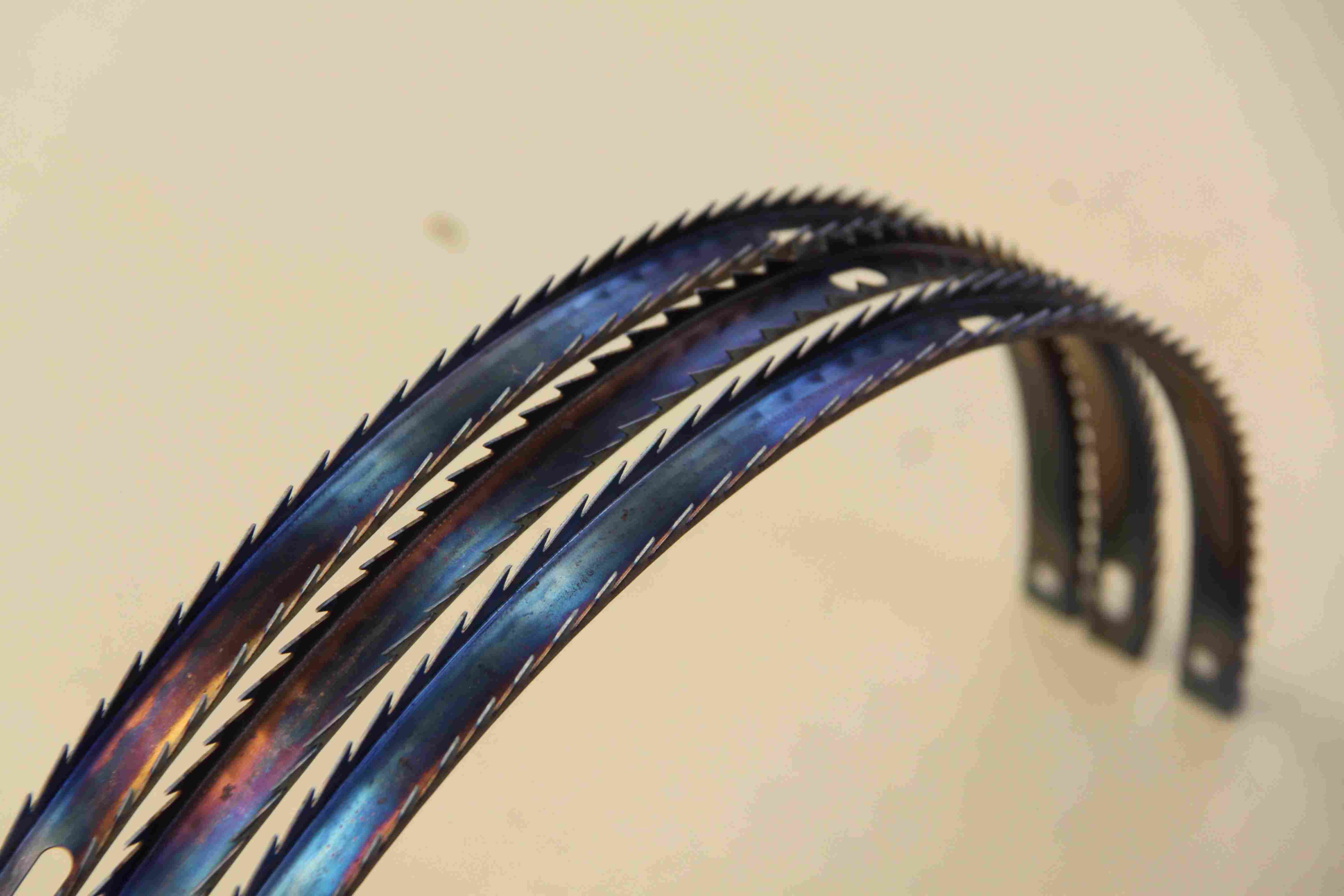
Channel saws are used primarily in the carding process on cotton processing equipment. They are typically made of metal and have a U-shaped cross-section, with both ends securely fastened to the carding machine frame.
Channel saws play a key role in separating and aligning fiber bundles. During operation, the saws on the carding rollers contact the fiber bundles and effectively separate them through carding, ensuring a more even and uniform fiber distribution.
In addition, channel saws help remove impurities and residues from the fiber bundles, thereby improving the quality and appearance of the cotton.
2. Technical specifications
Application: Carding machines and cotton processing equipment
Material: High strength metal (special steel)
Country of manufacture: China
Surface Hardness: Meets industry standards
3. Packaging and delivery
The transportation method is flexible and can be changed according to customer requirements.
The packaging materials are strong and durable, suitable for long-distance international transport.
Individual packaging according to customer's wishes, focused on convenience and safety.


4. Product quality control
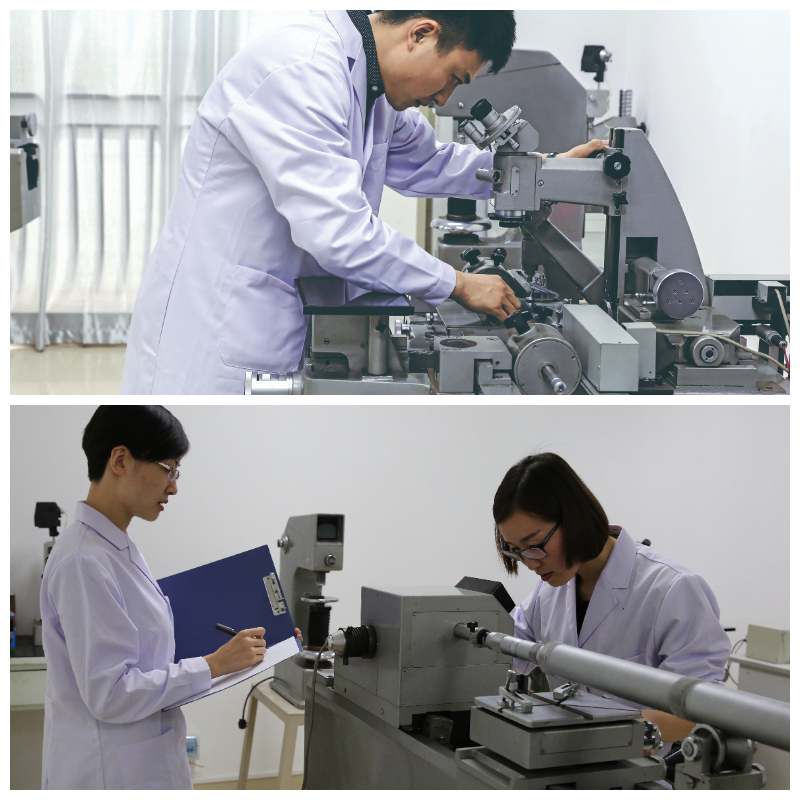
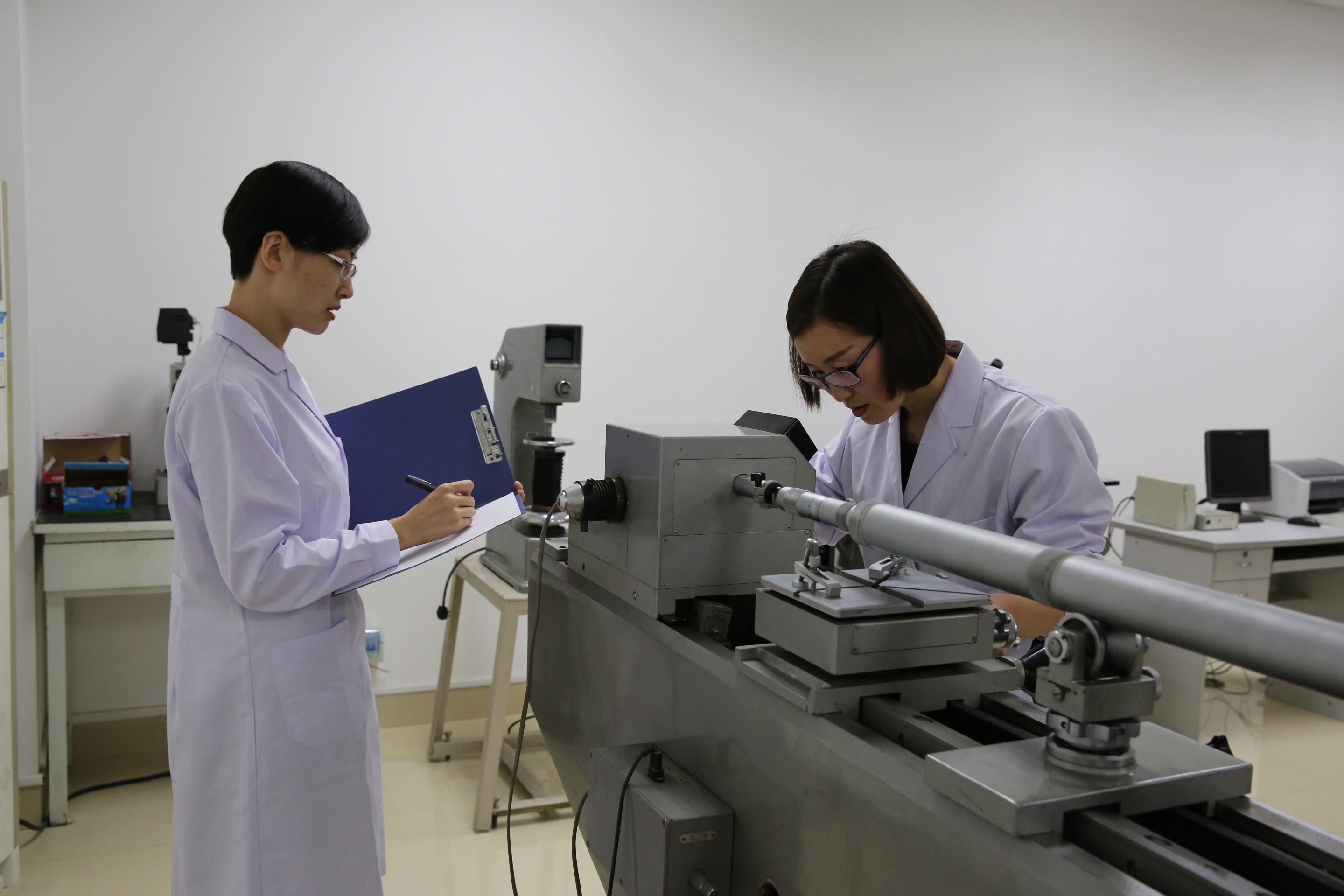
The company conducts rigorous comprehensive testing of each product, including:
Visual inspection: Checking the appearance of the product for compliance with the requirements (color, shape, size, surface finish). It can be carried out visually or using auxiliary instruments (microscope, measuring instruments).
Functional testing: Checking the product's functionality in operating mode, conducting tests using specialized equipment to assess functionality.
Safety testing: Checking the product's compliance with safety standards (electrical safety, mechanical safety, chemical safety, etc.).
Packaging Inspection: Checking the integrity of the packaging, the clarity of the markings and the compliance of the packaging materials with the requirements to ensure the safety of the product during transportation and storage.